
Free slot demos let you learn games without risking real money, but useful testing still needs discipline. Demo mode should not become endless spinning, and short-term demo results should not be treated as a prediction of real-money outcomes. The goal is learning, not forecasting.
This guide gives you a simple structure for testing SlotLab demos in a way that produces useful information and reduces emotional decision-making.
Set a Goal Before You Start
Before opening a game, decide what you want to learn. Is the paytable clear? Are the free spins easy to understand? Is the volatility too high for your comfort? Does the game work well on mobile? A clear question makes it easier to stop when you have an answer.
Without a goal, demo play can become repeated spinning with little new information. It can also create false expectations from a short lucky or unlucky sample.
Set Time and Spin Limits
Choose a boundary before you start: 15 minutes, 100 virtual spins, or one paytable review plus one feature test. Stop when you reach that boundary, whether the virtual balance is up or down.
Stopping on schedule in demo mode is practice. If you cannot stop with virtual credits, stopping with real money involved elsewhere will be harder.
Read the Paytable Every Time
Do not start by rapid-spinning. Open the game information first. Look for RTP if listed, volatility if provided, free spin rules, wild and scatter behaviour, paylines or ways, and any feature restrictions.
If the game information is unclear, treat that as a weakness. Do not guess the rules from the graphics alone.
Record Observations, Not Only Balance
Virtual balance changes are short-term outcomes. More useful notes include how long quiet stretches feel, how features trigger, whether controls are clear, and whether the game makes you want to raise stakes emotionally.
Good notes look like this:
- Free spins require 3 scatters and can retrigger
- Multipliers accumulate only in the bonus
- Paytable is hard to read on mobile
- The game is fast and encourages repeated tapping
Compare Games Under the Same Conditions
If you compare two games, use the same virtual stake, similar spin counts, and the same goal. For example, compare Mahjong Ways 2 with Fortune Tiger to see how a ways game feels next to a simpler line-style slot.
Controlled comparison helps you judge the structure of the game instead of overreacting to one unusually good or bad session.
Signs You Should Stop
Stop immediately if you are spinning to recover virtual credits, raising stake because you feel frustrated, ignoring the paytable, or thinking “the bonus must be close.” Those behaviours become much riskier when real money is involved anywhere else.
Bottom Line
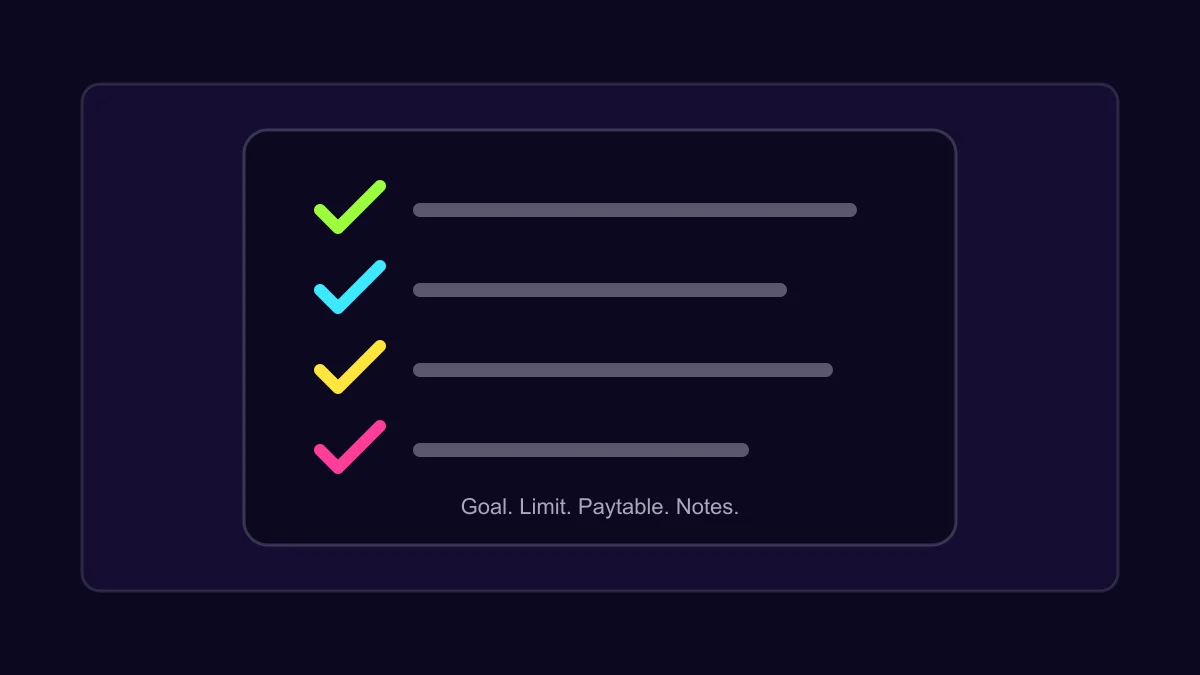
A good demo test has a question, a limit, and notes about what you learned. SlotLab gives you free access to demos, but the best use of that access is to read games carefully, compare features fairly, and practice stopping on schedule before making any real-money decision elsewhere.